
5 Common Barn Door Problems and How to Fix Them
Jan 30th 2026
Barn doors are known for smooth movement and space-saving design. When installed correctly, they operate quietly and reliably for years. Problems usually appear when hardware shifts, walls settle, or installation shortcuts are taken. The good news is that most barn door issues are easy to fix once you know what to look for.
Understanding these common problems helps you protect your door and restore smooth operation without replacing the entire system.
1. The Door Does Not Slide Smoothly
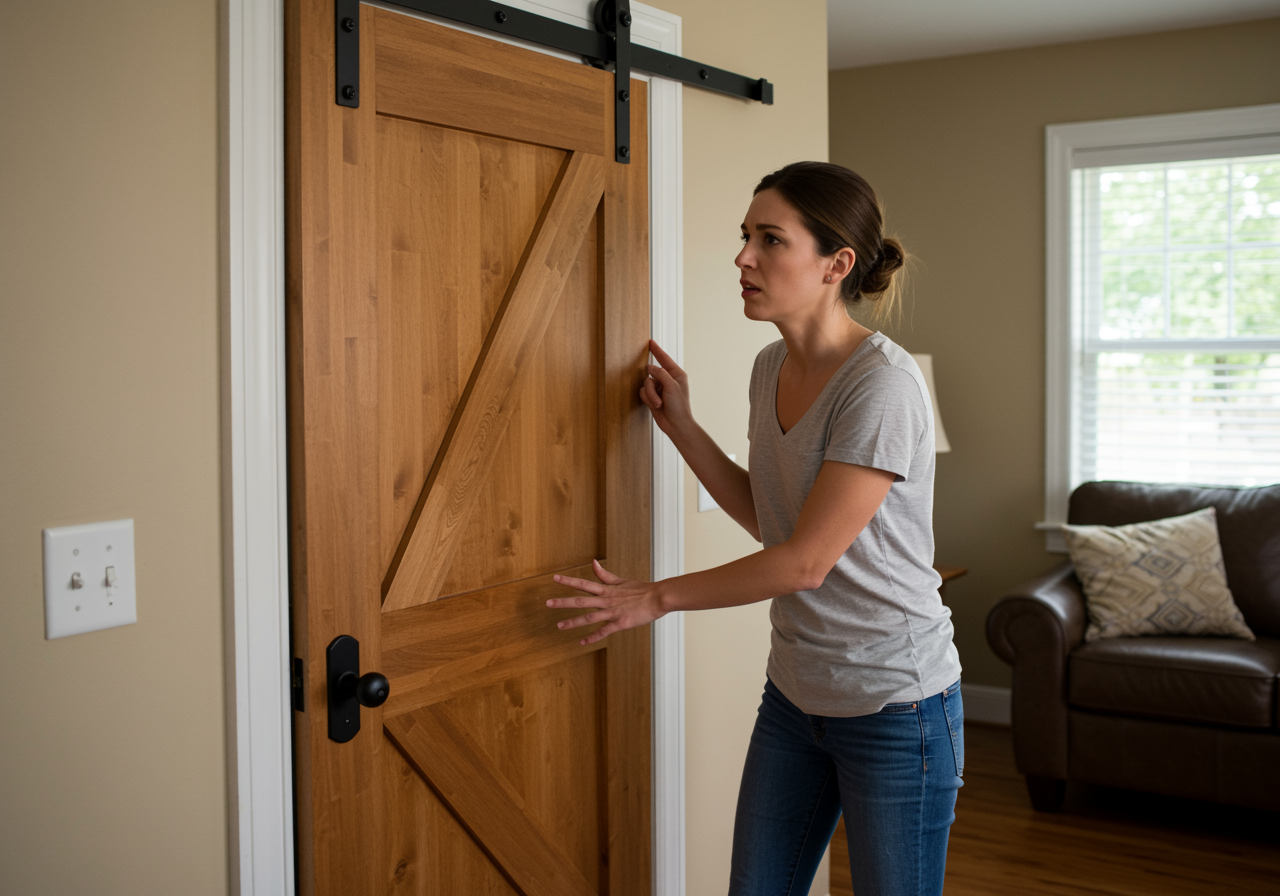
One of the most common complaints is resistance when opening or closing the door. This often happens when dust, debris, or pet hair builds up inside the track. Over time, even small obstructions can disrupt smooth movement. According to This Old House’s guide to maintaining sliding door hardware, regular cleaning of tracks and rollers prevents friction and uneven movement. Wiping the track and inspecting rollers every few months usually solves the issue.
2. The Door Swings Away From the Wall
A barn door should stay close to the wall as it moves. If it swings outward, the bottom guide is usually missing, loose, or incorrectly sized. Without proper guidance, gravity pulls the door away from the wall during movement. A breakdown of the barn door bottom guide function explains that bottom guides keep the door aligned and prevent lateral motion. Adjusting or replacing the guide typically fixes the problem in minutes.
3. The Door Is Noisy or Rattles
Noise often comes from loose hardware rather than the door itself. Bolts may loosen over time, especially if the door is heavy. Vibration during movement can also cause rattling against the wall or stops. Guidance from Family Handyman on tightening sliding door hardware shows that checking fasteners and adding wall buffers reduces noise significantly. Properly tightened hardware should allow the door to glide quietly.
4. The Door Does Not Close All the Way
If your barn door stops short of fully closing, the issue is often related to track leveling. Even a slight tilt can cause the door to drift or resist closing in one direction. A step-by-step explanation of how to level barn door tracks emphasizes using a bubble level during installation and adjustment. Re-leveling the track restores proper door alignment and closing behavior.
5. The Door Rubs Against Trim or the Wall
Barn doors need clearance to move freely. If the door rubs against trim, baseboards, or textured walls, the track may be mounted too close to the surface. Installation guidance from Lowe’s barn door mounting instructions explains how spacer kits and header boards create proper clearance. Adding spacers allows the door to clear obstacles without scraping or resistance.
Preventing Problems Before They Start
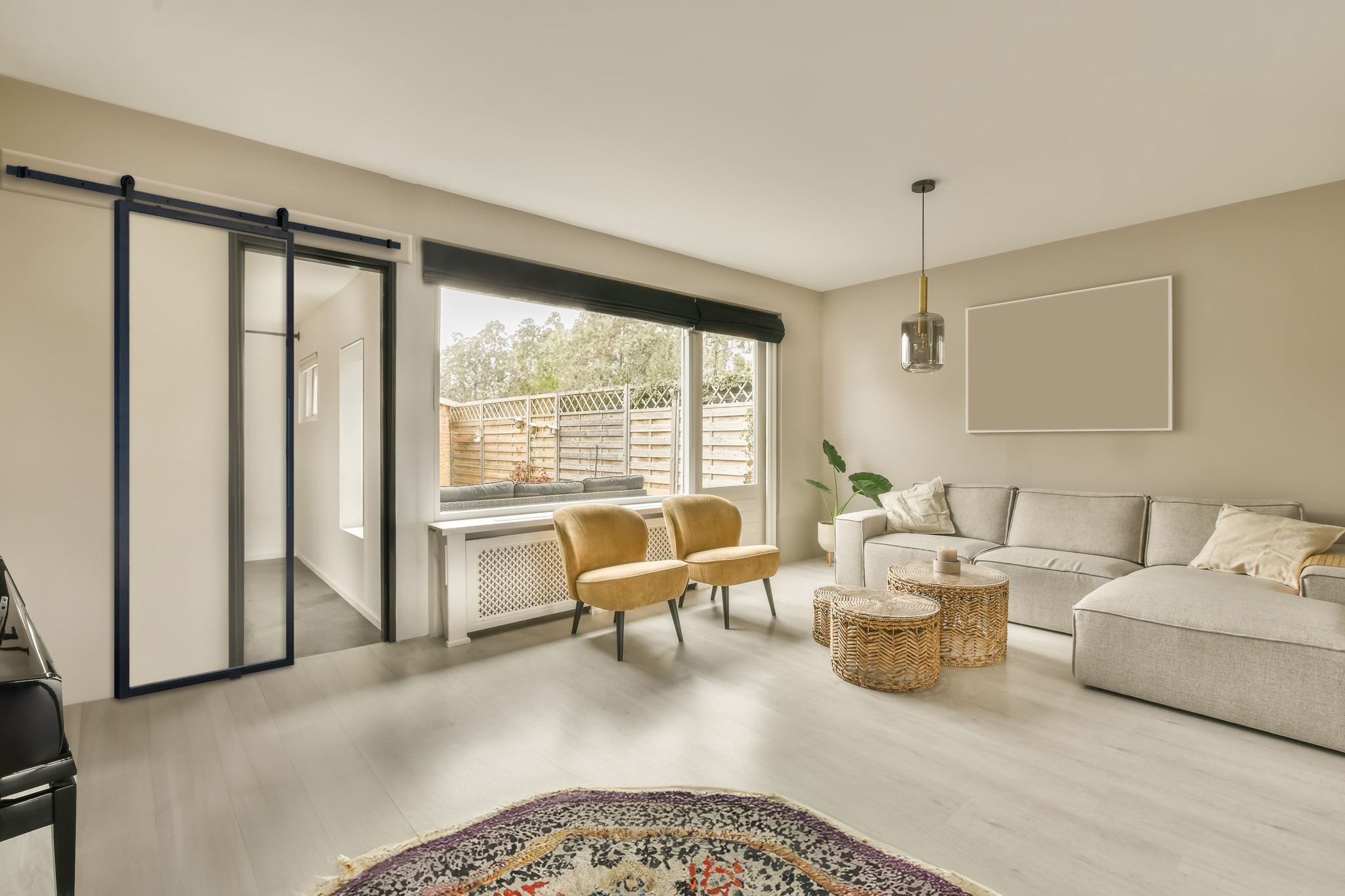
Most barn door problems come from rushed installation or overlooked maintenance. Measuring carefully, mounting into solid framing, and choosing quality hardware reduces long-term issues. Periodic inspection also helps catch small problems before they become major ones.
A general overview of sliding door maintenance best practices shows how routine checks extend the lifespan of moving door systems. Barn doors benefit from the same care.
Barn doors are reliable when installed correctly and maintained properly. Most problems come down to alignment, hardware tension, or guidance. Each of these issues has a straightforward fix. BarnDoorz doors are built for long-term performance with quality materials and precise construction. When paired with proper installation, they deliver smooth operation and lasting style for years to come.

