Laundry Room Barn Doors: Hiding Utility Spaces Stylishly
Feb 20th 2026
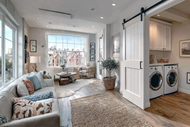
Laundry rooms are essential, but they are not always spaces homeowners want on display. Appliances, shelves, and cleaning supplies can disrupt the look of an otherwise well-designed home. A barn door offers a simple solution. It conceals the mess while adding character and visual interest.
Interior designers often recommend sliding doors for utility areas because they save space and improve flow. A guide from HGTV on laundry room design ideas highlights how thoughtful door choices help utility rooms blend seamlessly into the rest of the home.
Why Barn Doors Work So Well for Laundry Rooms
Traditional swinging doors require clearance that laundry rooms often lack. Barn doors slide along the wall, which makes them ideal for narrow hallways, closets, or pass-through spaces. They also allow easy access when your hands are full. Barn doors are especially useful in functional rooms where space efficiency matters. Laundry rooms benefit from this flexibility more than almost any other area.
Hiding Clutter Without Losing Style
Laundry rooms rarely stay perfectly organized. Detergent bottles, baskets, and folding stations tend to pile up. A barn door lets you close off the space instantly without sacrificing design. Design experts from Better Homes & Gardens on concealing utility spaces explain that visual separation helps homes feel calmer and more intentional. A barn door provides that separation while still acting as a design feature.
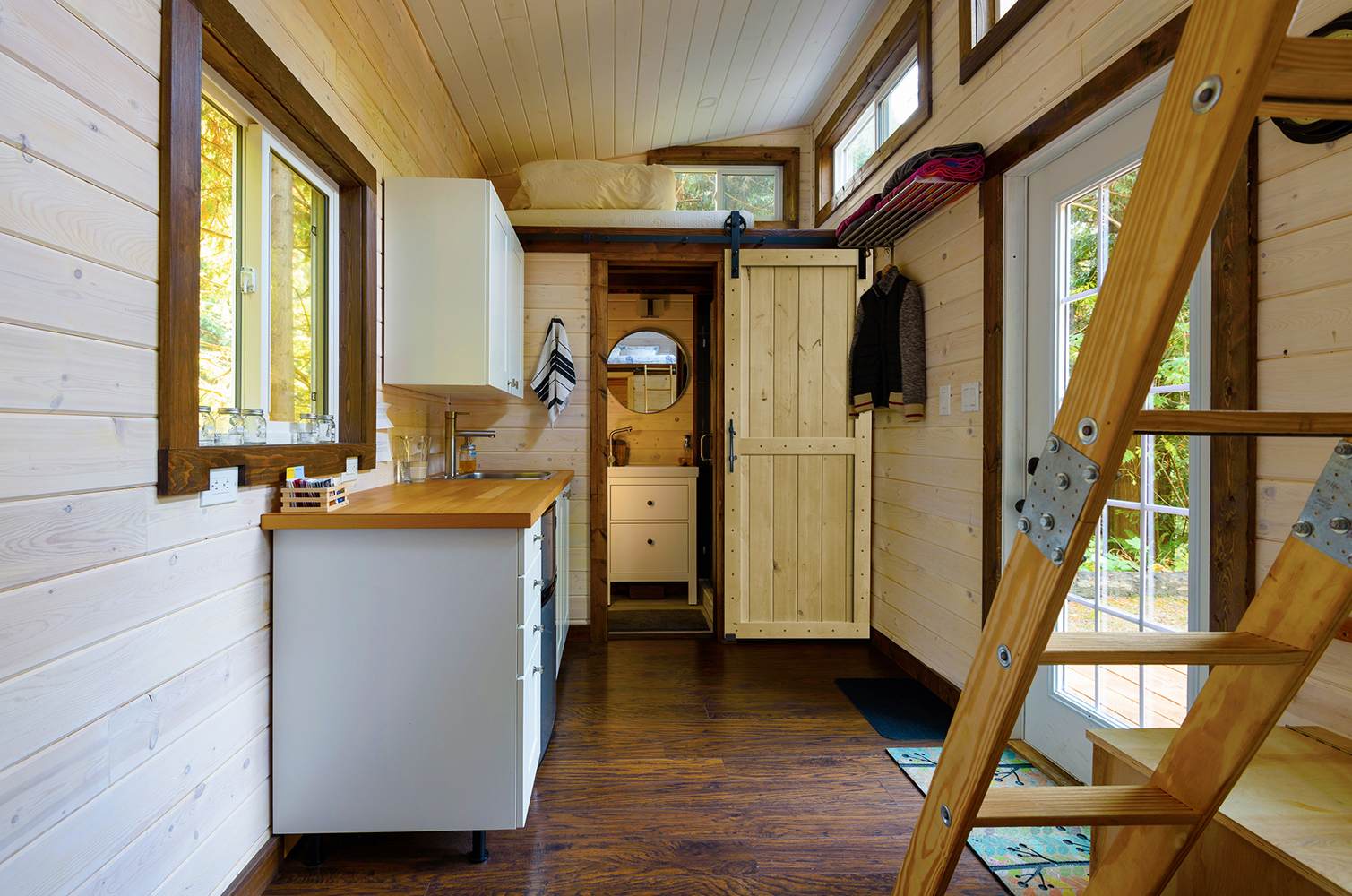
Laundry room barn doors should balance durability and design. Solid wood or MDF doors work well because they resist daily wear. Smooth finishes are easier to clean and less likely to show marks. For homes with limited natural light, glass panel barn doors can help brighten the space. Translucent glass maintains privacy while allowing light to travel through adjacent rooms.
Managing Noise and Vibration
Washers and dryers can generate sound and vibration. While barn doors are not soundproof, a solid door can help reduce noise transfer. Proper hardware also plays an important role. Secure mounting and quality rollers are crucial to keeping everything in place. When the door moves smoothly and stays aligned, rattling and vibration are reduced.
Moisture and Airflow Considerations
Laundry rooms often produce heat and humidity. It is important to allow airflow when appliances are running. Many homeowners leave the barn door partially open during use, then close it once the cycle finishes. Guidance from Energy.gov on laundry room ventilation explains how proper airflow helps prevent moisture buildup. Barn doors support this by offering flexible positioning rather than a fixed swing.
Blending Utility With the Rest of the Home
One of the biggest advantages of a laundry room barn door is visual continuity. The door can match other interior barn doors or complement nearby finishes. This helps the laundry area feel intentional instead of hidden away. A design feature from Houzz on cohesive interior doors explains that consistent door styles improve the overall flow of a home. Laundry rooms benefit when they feel connected rather than separate.
Laundry rooms may be practical, but they do not need to feel utilitarian. A barn door hides clutter, saves space, and adds character. With the right style and installation, it turns a necessary space into one that fits the rest of your home. BarnDoorz creates custom barn doors designed to handle everyday use while elevating interior design. When function and style work together, even the laundry room feels intentional.

